Cannotecnia
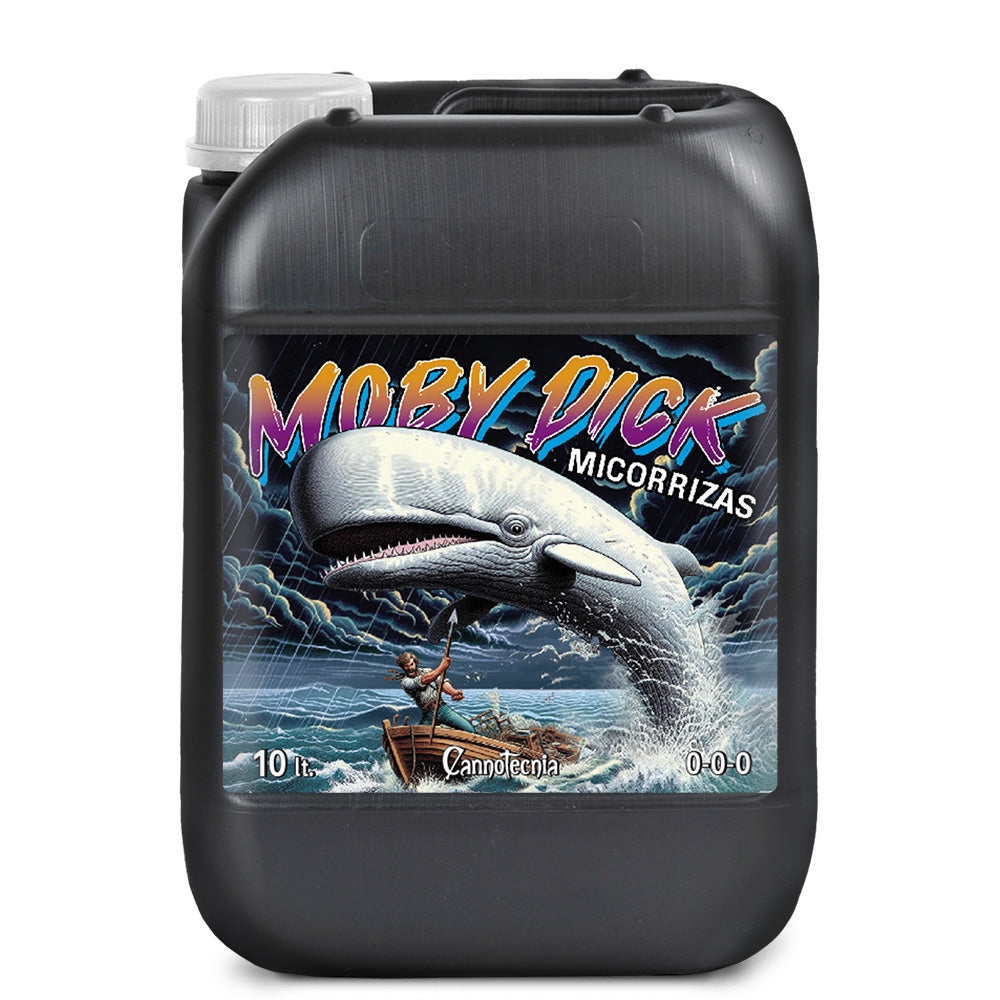
Moby Dick 10 l. Cannotecnia
Moby Dick 10 l. Cannotecnia
Couldn't load pickup availability
- 📦 Envío discreto y con seguimiento
- 🔒 Pago 100% seguro
- ↩️ Devoluciones en 14 días
- 💬 Atención personalizada
- ✅ Productos 100% originales
Envíos desde España · Seguimiento incluido.
MOBY DICK MYCORRHIZAS
Mycorrhizae, Yeasts, Bacteria and Highly Efficient Organisms to Increase Growth and Resistance to attack by other pathogenic microorganisms causing diseases.
Bacterial Inoculant that acts as a Biostimulant for plant growth.
Generates microbial activity in the rhizosphere after each application, increasing the overall health of crops, which leads to greater productivity.
By applying Mycorrhizae, a favorable environment for Plant Development is created, which is reflected in Greater Production and Quality of the Harvest.
- Rhodopseudomonas
palustris: Bacteria necessary for CO2 fixation by plants, fix
Atmospheric Nitrogen and degrade harmful ammonia and sulfate gases.
- Lactobacillus
plantarum: Create a barrier that prevents the proliferation of
pathogens. They decompose organic matter, lignin, and cellulose.
- Glomus
intraradices Mycorrhizal Fungi: Produce Exponential Root Growth and
Enhance Phosphorus Absorption, forming Larger, More Vigorous and Productive plants.
- Saccharomyces cerevisiae and
Candida
utilis Yeasts: Participate in plant hormone synthesis processes such as
Auxins for Root Development, Gibberellins that regulate stem and branch
development processes and the flowering process, and Cytokinins that
regulate cell division processes, among which are the formation and growth of shoots and axillary stems.
- Bacillus subtillis: Control
diseases
caused by root fungi such as Fusarium, Pythium, Phytophthora,
Rhizoctonia solani, Sclerotinia, Verticillium dahliae, Botrytis cinerea,
Alternaria and Erwinia.
Dosage:
0.5 ml. of Moby Dick per plant during the First Week of Growth and the Second Week of Flowering.
Composition:
Algae Extract: 12.50 % w/w
Free Amino Acids: 10.00 % w/w
Rhodopseudomonas palustris: 5 x 10⁹ cfu/ml.
Lactobacillus plantarum: 4 x 10⁶ cfu/ml.
Glomus intraradices: 4,000 spores/ml.
Saccharomyces cerevisiae: 10,000 spores/ml.
Candida utilis: 5,000 spores/ml.
Compartir